
Our Blog

Keep Checking Back for Regularly Updated Content!

Top Signs of Water Intrusion at Home

A faint stain on a ceiling or a musty smell in the basement can look minor at first. In reality, those are often among the top signs of water intrusion, and the longer they sit, the more expensive and disruptive the repair usually becomes.

Water rarely announces itself with a dramatic leak. More often, it shows up slowly through subtle changes in materials, odors, or surface conditions. For buyers, sellers, and homeowners, spotting those clues early can make a major difference in repair planning, negotiation, and peace of mind.

Why water intrusion deserves quick attention

Moisture affects more than appearance. It can damage framing, insulation, drywall, trim, flooring, and even electrical components if the issue is severe enough. It can also create the conditions for microbial growth and long-term deterioration.

That said, not every stain means active leaking, and not every damp smell points to a major structural problem. A good inspection mindset is calm and methodical. The goal is to identify patterns, determine whether moisture is active or past-related, and understand what should be monitored versus what needs prompt correction.

Top signs of water intrusion inside the home

Some of the clearest warning signs appear indoors because finished surfaces react quickly to moisture. When water enters through a roof, wall, plumbing connection, window assembly, or foundation area, the materials inside the home often show the first visible clues.

Ceiling stains and wall discoloration

Brown, yellow, or copper-colored stains on ceilings and walls are classic indicators. These marks often show up below roof penetrations, around chimneys, near bathroom plumbing, under upper-floor windows, or beneath an upstairs laundry area.

The key detail is whether the stain looks active. Fresh moisture can leave darker edges, soft drywall, bubbling paint, or an area that feels cool and damp. An older stain may be dry and stable, but it still deserves attention because it points to a past moisture event that should be explained.

Peeling paint, bubbling drywall, or warped trim

Paint and drywall do not hold up well when moisture gets behind them. If you see bubbling, flaking, or swollen areas, the problem may be more than cosmetic. Trim boards, baseboards, and door casings can also expand, separate at joints, or develop a distorted shape.

This is one of the top signs of water intrusion because it often reflects repeated or ongoing exposure, not just a one-time spill. In bathrooms, kitchens, and laundry rooms, the source may be plumbing. Around exterior walls, windows and flashing details are common suspects.

Musty or damp odors

A persistent musty smell is often a moisture clue even when no stain is obvious. Basements, crawl spaces, utility rooms, and closed-up vacant homes are common places for this to show up.

Odor alone does not tell you the exact source, but it does suggest the area has been holding moisture long enough to affect materials. In Central Indiana, seasonal humidity and wet grading conditions can make lower levels especially vulnerable if drainage is poor or ventilation is limited.

Flooring changes

Buckling wood, cupped floorboards, loose vinyl, cracked tile grout, or soft spots in subflooring can all point to water exposure. Near dishwashers, refrigerators, toilets, tubs, and exterior doors, these changes are especially worth noting.

Floor damage can develop slowly, so homeowners sometimes miss it until the boards start separating or the surface feels uneven underfoot. By then, the moisture may have already affected underlayment or subfloor materials.

Exterior clues that often point to water entry

Many interior moisture issues start outside. Water intrusion is often less about one failed component and more about how roofing, siding, windows, grading, and drainage work together.

Damaged roof materials or flashing

A missing shingle is easy to notice. More often, the problem is worn flashing around roof penetrations, chimneys, skylights, or wall intersections. Water can slip into very small gaps, especially during wind-driven rain or freeze-thaw cycles.

If a home has roof stains in the attic or on upper-level ceilings, exterior roof details are one of the first areas to evaluate. Even a newer roof can leak if flashing installation was poor.

Cracked or deteriorated caulking around windows and doors

Windows and doors rely on multiple layers of protection, not just a bead of caulk. Still, failed sealant, damaged trim, and poor drainage at these openings are frequent contributors to water entry.

If you notice staining below windows, soft trim, or paint failure on nearby interior finishes, the opening itself may be allowing water to get behind the wall surface. This is especially common where maintenance has been delayed.

Gutter and downspout problems

Clogged gutters, loose sections, and downspouts that discharge too close to the foundation can send large amounts of water exactly where you do not want it. Overflowing roof runoff can affect fascia, soffits, siding, window surrounds, and foundation walls.

For many homes, exterior drainage corrections are among the most practical ways to reduce future moisture concerns. The fix may be straightforward, but the impact can be significant.

Grading that slopes toward the house

The soil around the home should direct water away from the foundation. When the grade is flat or reversed, rainwater can collect near basement or crawl space walls and increase the chance of seepage.

This does not always produce standing water indoors right away. Sometimes the first clues are efflorescence on basement walls, damp odors, or minor staining at lower wall areas.

Foundation and lower-level warning signs

Basements and crawl spaces often reveal moisture conditions that have gone unnoticed in the main living areas. These areas are less finished, so the evidence may be easier to see.

Efflorescence and damp masonry

Efflorescence is the white, chalky residue that can appear on masonry surfaces when water moves through the material and leaves mineral deposits behind. It is not mold, but it is a useful signal that moisture has been present.

Concrete and masonry can tolerate some moisture better than drywall or wood, but recurring seepage still matters. It can affect air quality, stored belongings, and adjacent building materials over time.

Wood rot or fungal growth in crawl spaces

In crawl spaces, moisture often shows up as elevated humidity, wet insulation, wood decay, or visible fungal growth on framing. Plumbing leaks, ground moisture, poor drainage, and inadequate vapor control can all contribute.

This is an area where a professional assessment is especially valuable because conditions may be hidden from daily view. A house can look fine upstairs while the crawl space tells a very different story.

When the signs are subtle, context matters

One of the biggest mistakes people make is focusing on a single symptom without looking at the full picture. A stain near a chimney means something different than bubbling paint below a second-floor bathroom. A musty basement with proper grading may suggest one set of next steps, while the same odor combined with foundation seepage suggests another.

That is why a careful, non-invasive inspection process matters. The goal is not to jump to the worst-case scenario. It is to connect visible evidence with likely causes, identify areas that need correction, and help you make decisions based on clear information.

What to do if you notice the top signs of water intrusion

Start by documenting what you see. Note the location, size, smell, and whether the issue changes after heavy rain or plumbing use. If a stain is growing, if materials feel soft, or if active dripping is present, quick action is wise.

If the source is obvious, such as an overflowing gutter or a leaking supply line, address that first. If the cause is unclear or the signs suggest hidden moisture, a professional home inspection can help narrow the problem to likely systems or building areas without adding alarm. For buyers and sellers, that kind of clarity can keep a transaction moving with fewer surprises.

In the Indianapolis area, homes deal with a mix of heavy rains, humid summers, and winter freeze-thaw conditions, which means moisture issues can come from more than one direction. A thorough inspection helps separate routine maintenance from more meaningful concerns.

Small water issues have a way of becoming larger ones when they are ignored. If something in the home looks swollen, stained, damp, or unusually musty, trust that it is worth a closer look. Clear answers early are almost always easier on your schedule, your budget, and your stress level.
What Do Home Inspectors Look For?

A home can look great in listing photos and still have problems hiding in plain sight. That is why so many buyers, sellers, and homeowners ask the same question: what do home inspectors look for?

The short answer is this: inspectors evaluate the home’s major systems, visible structure, safety concerns, and overall functionality. The longer answer matters more, because a good inspection is not about hunting for cosmetic flaws. It is about identifying defects, deferred maintenance, and conditions that could lead to expensive surprises after you move in.

What do home inspectors look for during an inspection?

A home inspection is a non-invasive, visual assessment of the property at the time of the inspection. That means inspectors are not opening walls or tearing apart finishes. They are examining what is safely accessible and visible, then documenting material defects and notable concerns in a clear report written to educate, not alarm.

In practical terms, inspectors are looking for three things at once. First, they check whether key systems are functioning as intended. Second, they look for signs of wear, damage, or poor installation. Third, they identify safety issues and conditions that deserve further evaluation or timely repair.

The exact scope can vary slightly based on the property, age of the home, weather, and access. Still, most inspections focus on the same core areas.

Roof, attic, and drainage

Roof problems can be expensive, so this area gets close attention. Inspectors look at the roof covering, flashing, penetrations, gutters, and downspouts. They watch for missing or damaged shingles, exposed fasteners, sagging areas, poor drainage, and signs that water may be getting where it should not.

Inside the attic, the story often becomes clearer. Stains on sheathing, damaged rafters, inadequate ventilation, and insulation issues can all point to larger moisture or performance problems. Sometimes the roof itself is near the end of its service life. Other times the bigger concern is not the shingles but the way water is being managed around the home.

That distinction matters. A roof can look worn but still perform acceptably for a while, while a newer roof with improper flashing may already be vulnerable to leaks.

Structure and foundation

When people worry about a home having “good bones,” this is what they mean. Inspectors look for visible signs of structural movement or distress in the foundation, framing, floors, walls, and ceilings. Cracks, sloping floors, sticking doors, and uneven openings can all be clues.

Not every crack is a structural failure. Concrete commonly cracks as it cures and ages. What matters is the size, pattern, location, and whether there are related symptoms nearby. A small shrinkage crack may be routine. A wide horizontal crack with inward bowing is a very different conversation.

This is one of the areas where experience and restraint matter. A reliable inspector does not exaggerate normal settling, but also does not dismiss patterns that suggest further evaluation is wise.

Exterior surfaces and grading

The outside of the house says a lot about how well moisture is being controlled. Inspectors examine siding, trim, windows, doors, caulking, and visible exterior components for deterioration, gaps, rot, and poor sealing.

They also pay attention to grading. If the soil slopes toward the home instead of away from it, water may collect at the foundation. That can contribute to basement seepage, crawlspace moisture, and long-term structural concerns. In many homes, simple drainage corrections can prevent much larger repairs later.

Vegetation can also be part of the story. Trees, shrubs, and vines touching the house may trap moisture, damage finishes, or give pests a pathway inside.

Electrical system

Electrical defects range from minor upgrades to serious safety issues. Inspectors review the visible service equipment, panel, breakers, wiring, receptacles, and grounded components. They look for improper wiring methods, double-tapped breakers, missing knockouts, damaged conductors, reverse polarity, and lack of GFCI or AFCI protection where applicable.

The goal is not to bring an older home fully up to modern code. A home inspection is not a code compliance inspection. The goal is to identify safety concerns and notable deficiencies based on current standards of practice and visible conditions.

Older homes often show this clearly. Knob-and-tube wiring, ungrounded outlets, or outdated panels do not always mean the house is unlivable, but they do affect safety, insurance, and future upgrade costs. Buyers should know that before closing, not after.

Plumbing system

Inspectors check visible supply lines, drain and vent components, water heater operation, fixtures, and signs of active or past leaks. They are looking for corrosion, poor water pressure, slow drainage, improper materials, loose fixtures, and moisture damage around plumbing areas.

A small leak under a sink may seem minor, but repeated moisture can damage cabinets, subfloors, and adjacent finishes. Water heaters also deserve attention because age, installation quality, and safety features all matter. If a unit is old, leaking, or improperly vented, that can move quickly from maintenance issue to replacement decision.

Sewer lines are usually beyond the scope of a standard visual home inspection, which is a good example of where expectations matter. If there are warning signs such as slow drains, frequent backups, or a mature property with older piping, a separate sewer scope may be worth considering.

Heating and cooling

Few things get a buyer’s attention faster than an HVAC issue. Inspectors evaluate the heating and cooling equipment using normal operating controls when conditions permit. They look at age, visible condition, basic performance, filter condition, distribution components, and signs of deferred maintenance.

An HVAC system may still be working on inspection day and still be near the end of its service life. That does not automatically make it a defect, but it does affect budgeting. The same is true for air conditioners tested during appropriate weather and furnaces that show wear but remain operational.

This is where a practical report helps. Rather than creating panic, it should separate immediate repair concerns from expected aging so clients can make informed decisions.

Interior rooms, windows, doors, and built-in appliances

Inside the home, inspectors move through walls, ceilings, floors, windows, doors, stairs, and a representative sample of outlets, switches, and fixtures. They are not judging paint colors or decorating choices. They are looking for signs of water intrusion, unsafe stairs or railings, damaged finishes that indicate deeper issues, and components that do not operate properly.

Built-in appliances are typically tested for basic function. That can include the dishwasher, range, microwave, garbage disposal, and garage door opener if installed. The emphasis is on whether they respond and operate in a normal way, not on long-term performance guarantees.

Windows are another area where details matter. A failed seal, painted-shut sash, missing screens, or damaged trim may sound small, but those details can point to moisture exposure, energy loss, or neglected upkeep.

Basements, crawlspaces, and moisture issues

If there is one issue that connects multiple systems, it is moisture. Inspectors pay close attention to basements and crawlspaces because these areas often reveal water entry, poor drainage, wood rot, mold-like growth, pest activity, and insulation concerns.

A damp crawlspace can affect air quality, wood framing, and energy efficiency. A basement with staining may have only occasional seepage, or it may have a recurring drainage issue. The difference often comes down to visible patterns, current conditions, and how the rest of the home is managing water outside.

Moisture concerns are not always dramatic, but they are rarely something to ignore. Left alone, small water problems tend to become larger ones.

Safety items and red flags

Some inspection findings stand out because they affect immediate safety. Missing handrails, tripping hazards, loose steps, exposed wiring, improper venting, and signs of combustion concerns all deserve prompt attention.

Home inspectors also stay alert for red flags that suggest specialist follow-up may be needed. That might include evidence of structural movement, widespread moisture intrusion, pest damage, chimney defects, or environmental concerns that require testing outside a standard inspection.

That does not mean every older home is full of major issues. In fact, many inspections uncover a mix of routine maintenance items, moderate repairs, and a few bigger decisions. The value is in understanding which is which.

What home inspectors do not look for in the same way

It helps to know what a home inspection is not. Inspectors are not appraisers, contractors bidding repairs, or code officials approving every detail of construction. They are also not predicting the future.

A component can work today and fail next season. A home inspection reduces uncertainty, but it does not eliminate it. That is why the best reports focus on present condition, visible evidence, and practical next steps instead of false certainty.

Why this matters for buyers, sellers, and homeowners

For buyers, knowing what do home inspectors look for helps you read the report with the right mindset. The goal is not to find a perfect house. It is to understand the house you are buying well enough to make a confident decision.

For sellers, it helps you see your home the way a neutral professional will see it. Deferred maintenance that feels normal to you may raise fair questions from a buyer. Addressing a few visible issues early can make the inspection process smoother.

For current homeowners, an inspection can be a practical planning tool. You may not be preparing to sell at all. You may simply want a clear picture of what needs attention now, what can wait, and where your money will have the most impact.

At Indy Home Inspection, that is the standard a good inspection should meet – thorough, calm, and useful. The best reports do more than list defects. They help people move forward with peace of mind and a better understanding of the home in front of them.

If you are wondering what an inspector will notice, assume they are looking past the fresh paint and straight to the things that affect safety, function, and long-term cost. That is not bad news. It is how smart decisions get made.

What Does a Whole House Inspection Include?

When you’re standing in a home you may love, the question gets very practical very fast: what does a whole house inspection include, and what will it actually tell you before you move forward? For buyers, sellers, and homeowners alike, the answer matters because a quality inspection is less about finding perfection and more about understanding condition, safety, and likely repair costs in plain English.

A whole house inspection is a visual, non-invasive evaluation of the home’s accessible major systems and components. The goal is to identify material defects, safety concerns, signs of deferred maintenance, and areas that may need monitoring or further evaluation. It is not a code compliance inspection, a guarantee that nothing will ever fail, or a teardown-level analysis behind walls and under floors. But done thoroughly, it gives you a clear modern report that helps you make decisions with confidence.

What does a whole house inspection include in practice?

Most whole house inspections follow recognized Standards of Practice and cover the home’s structure, exterior, roofing, plumbing, electrical, heating, cooling, insulation, interior components, and built-in appliances. The inspector is looking at how these systems appear to perform at the time of the inspection, whether defects are visible, and whether there are conditions that suggest elevated risk.

That means the inspection is both broad and practical. It is not just a checklist. A good inspector is connecting what they see on the roof to what they see in the attic, or what they notice at the grading to what is happening in the basement or crawlspace. That bigger picture is often where the most useful insight comes from.

The major areas typically inspected

Roof

The roof is one of the first places inspectors evaluate because water intrusion can affect almost every part of a home. A whole house inspection usually includes visible roof coverings, flashing, penetrations, gutters, downspouts, and general drainage patterns. The inspector looks for missing or damaged shingles, wear, patching, sagging, exposed fasteners, and signs that roof water may not be moving away from the home properly.

From the ground or accessible areas, they are also watching for clues about age and performance. Even when a roof is not actively leaking, visible wear can indicate shorter remaining service life. That distinction matters during a real estate transaction because a roof does not need to be failed to become a negotiation point.

Attic, insulation, and ventilation

Attics often tell the story of how a house handles moisture and temperature. Inspectors look at insulation levels, ventilation, framing visible from accessible areas, and signs of staining, microbial growth, or past leaks. Inadequate ventilation can shorten roof life, raise cooling costs, and contribute to condensation issues.

This is one of those areas where buyers are often surprised. A house can look clean and updated in living spaces while the attic reveals long-term moisture patterns or ventilation deficiencies that deserve attention.

Structure and foundation

A whole house inspection generally includes accessible portions of the foundation, floor structure, walls, ceilings, and framing. Inspectors look for cracking, settlement, movement, moisture intrusion, uneven floors, and other signs that could point to structural concerns or simply typical aging.

Not every crack means a major problem. Some are cosmetic, some are common, and some suggest a condition that should be evaluated further. The value of the inspection is not dramatic language. It is careful observation and clear context so you know whether you are looking at routine maintenance or something more significant.

Exterior

The exterior inspection includes siding, trim, windows, doors, grading, walkways, porches, decks, railings, and other attached components. The inspector is looking for openings where water may enter, wood rot, poor drainage, damaged cladding, missing caulking, and trip or fall hazards.

Exterior conditions matter because many interior problems start outside. Improper grading or a deck attachment issue may not stand out during a showing, but they can affect safety, moisture control, and future repair budgets.

Plumbing system

Inspectors typically evaluate visible supply lines, drain lines, fixtures, faucets, water heater, and functional water flow and drainage. They are checking for leaks, corrosion, outdated materials, poor fixture operation, inadequate support, and visible signs of past water damage.

The water heater gets close attention because age, installation quality, and safety components all matter. Something as simple as missing discharge piping or signs of leakage around the base can turn into a repair item that deserves prompt action.

Electrical system

A whole house inspection includes the service panel, visible wiring, outlets, switches, and representative lighting fixtures. Inspectors look for improper wiring methods, double-tapped breakers where not permitted, missing panel knockouts, unsafe connections, lack of GFCI or AFCI protection where applicable, and other conditions that may affect safety.

Electrical findings are a good example of why homeowners want reports written to educate, not alarm. Some issues are easy corrections. Others may justify licensed electrician review before closing. The point is to identify the risk level clearly, not to overwhelm you with jargon.

HVAC

Heating and cooling systems are inspected for basic operation and visible condition. That usually includes the furnace, air conditioner or heat pump, ductwork visible in accessible areas, filters, and thermostatic response. Inspectors look for age, rust, dirty components, improper venting, and signs that servicing may be needed.

An HVAC system can still be running and yet be near the end of its expected life. That does not always mean you ask for replacement. It may simply affect how you plan your first year of ownership and reserve funds for likely upgrades.

Interior rooms, doors, windows, and stairs

Inside the home, the inspection covers walls, ceilings, floors, windows, doors, stairs, and representative cabinets and countertops. Inspectors note evidence of water staining, damaged finishes, poor window operation, loose handrails, and other safety or functionality concerns.

This part of the inspection often helps separate cosmetic flaws from more meaningful issues. A cracked tile may be minor. A repeated pattern of staining below a bathroom or around windows may suggest an active source worth investigating further.

Basement and crawlspace

If the home has a basement or crawlspace, this area is especially important. Inspectors look for moisture intrusion, standing water, wood deterioration, insulation concerns, structural movement, pest evidence, and ventilation issues. These spaces often reveal the home’s relationship with groundwater and seasonal moisture.

In Indianapolis and similar climates, drainage and moisture control are frequent concerns. A basement can be dry on inspection day and still show clear signs of past seepage. That history matters when you are budgeting for maintenance and deciding how much risk you are comfortable accepting.

Built-in appliances

Whole house inspections often include built-in kitchen appliances such as the dishwasher, range, cooktop, oven, microwave, and garbage disposal. The inspector tests basic operation where it is safe and practical to do so.

This is helpful, but it is also a good place for realistic expectations. An inspection is not the same as long-term performance testing. An oven may heat during the inspection and still fail months later. The inspection gives you a functional snapshot, not a lifetime guarantee.

What a whole house inspection usually does not include

This is where expectations need to be clear. Whole house inspections are non-invasive. Inspectors do not open walls, move heavy furniture, dismantle systems, or predict every future failure. Areas blocked by storage, finishes, or safety limitations may be excluded.

Specialty items may also fall outside a standard inspection unless added separately. That can include sewer scope inspections, mold testing, radon testing, termite or wood-destroying organism inspections, well and septic evaluations, pools, detached specialty structures, or detailed engineering analysis. Whether you need those depends on the property, its age, its location, and what visible conditions suggest.

Why this scope matters to buyers, sellers, and owners

For buyers, the inspection helps reduce uncertainty. You are not looking for a perfect house. You are trying to understand whether the home’s condition matches the price, whether major systems appear serviceable, and which issues deserve negotiation or immediate repair.

For sellers, a whole house inspection can help identify problems before a buyer does. That creates a chance to make repairs, price more accurately, or at least avoid being surprised late in the transaction.

For current homeowners and investors, the value is planning. A thorough inspection can help prioritize maintenance, confirm system condition, and prevent small issues from becoming expensive ones.

At Indy Home Inspection, that practical decision support is the point. The inspection should give you peace of mind through clear findings, fast communication, and a report that helps you act on what matters most.

The real value is clarity, not just coverage

When people ask what does a whole house inspection include, they are often really asking something else: will this help me avoid expensive surprises? The honest answer is that no inspection can remove every risk. Homes are complex, and some issues are hidden or develop later.

What a strong inspection can do is give you a reliable, informed picture of the home’s visible condition on the day of the visit. It can show you where safety concerns exist, where maintenance has been deferred, where larger costs may be coming, and where a specialist should step in before you commit.

That kind of clarity is valuable whether you are buying your first home or your fifteenth. The best inspection is not the one that creates the most fear. It is the one that helps you move forward with open eyes and a solid plan.

Ice Dams, 3 Solutions for The Silent Roof Killer

If you’ve lived in Central Indiana for long, you’ve seen ice dams: thick ridges of ice clinging to the edge of roofs, often decorated with long, sharp icicles. They might look picturesque, like a scene from a holiday card, but to a home inspector, they look like a disaster waiting to happen.

We call them ice dams, and they are one of the most destructive winter forces your home faces. As we head into the depths of an Indianapolis winter, understanding what causes them—and how to prevent them—can save you thousands of dollars in repairs.

What Exactly is an Ice Dam? 

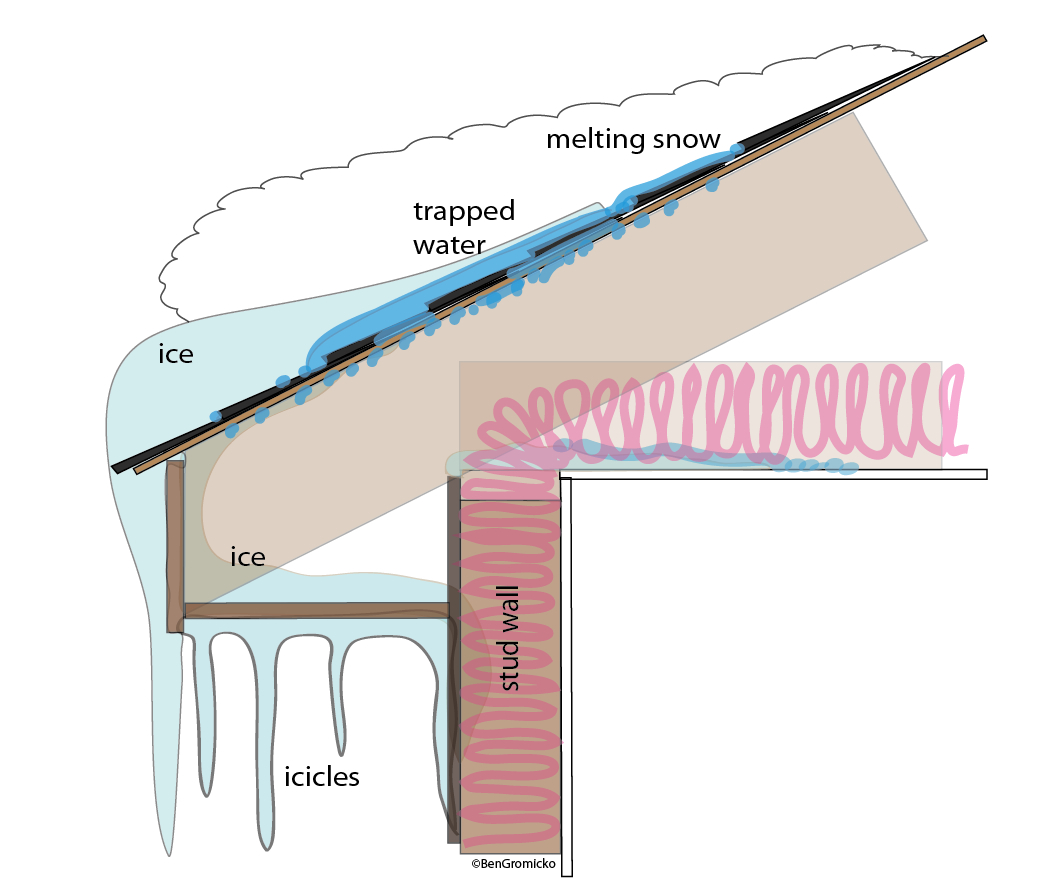
An ice dam forms when snow on the upper part of your roof melts, runs down the slope, and then refreezes at the eaves (the overhanging edge of the roof). This creates a ridge of ice that blocks melting water from draining into your gutters. 

How Ice Dams form on your roof and gutters

Trapped with nowhere to go, that water backs up under your shingles. Eventually, it seeps into the roof decking, through the insulation, and into your ceilings and walls. This is especially true if there is an inadequate ice and water underlayment installed. By the time you see a wet stain on your drywall, the damage is already done.

Ice Dam Root Cause: It’s Not Just the Weather

Many homeowners blame the snow, but the real culprit is usually inside your attic.

Ice dams are caused by a “hot roof.” You do not want a hot roof. You want your attic and the roof above it to be as close to the outside air temperature as possible during winter months. If your attic lacks proper insulation or ventilation, warm air from your living space escapes upwards. This warms the roof deck, melting the snow even when it’s freezing outside. When that water hits the colder eaves—which are not over heated living space—it freezes instantly.

Ice Dam Solution: Proper Insulation and Ventilation

Preventing ice dams isn’t about hacking away at the ice with a shovel (which can damage your roof!). It’s about keeping your roof cold.

  1. Seal Air Leaks: Gaps around light fixtures, bathroom vents, chimneys, and attic hatches let warm air leak into the attic.

  2. Upgrade Insulation: In our climate zone, you want a thick blanket of insulation to keep heat in your living rooms, not your attic.

  3. Ensure Proper Ventilation: Soffit vents and ridge vents allow cold outdoor air to circulate through the attic, flushing out any heat that does escape.

Getting a New Roof? 

Be sure your roofer does not skimp on the Ice and Water shield at the lower edge of your roof. This water-proof barrier should cover the eaves and extend at least 24 inches past the exterior wall of your house. 

Proper ice and water shield installation involves applying the self-adhered membrane over the eave drip edge, then continuing 24-36 inches inside the heated wall line, and extending it into valleys, around penetrations (vents, chimneys), and up roof-to-wall transitions. Ensure full deck coverage with courses overlapping by 3-6 inches. This is secured it with just enough fasteners (driven straight and flush) for hold-down before shingling begins.

How much attic insulation is recommended for Central Indiana?

For Indianapolis (Indiana Climate Zone 5), aim for R-49 to R-60 attic insulation for maximum efficiency, and to prevent ice dams. This translates to about 15 to 20 inches of fiberglass/cellulose. Although R-38 (12 to14 inches) meets code, this may not be enough. Besides, the price of adding proper insulation to a thermally deficient attic will often pay for itself in a year or two by lowering heating and air conditioning costs.

How an Inspection Helps

You don’t have to guess if your home is vulnerable. A professional home inspection includes a thorough evaluation of your attic’s insulation levels and ventilation systems. Using thermal imaging technology, I can often see temperature differences that indicate missing insulation or hidden air leaks that the naked eye would miss.

Don’t wait for water to start dripping on your dining room table. If you’re concerned about your roof’s performance this winter, contact Indy Home Inspection today to schedule a check-up.